
At the Hoy/Scott Watershed Society, our work simply wouldn’t be possible without the dedication of our volunteers. Each month, we take the opportunity to recognize someone who has gone above and beyond in supporting our mission to protect and restore local watershed ecosystems.
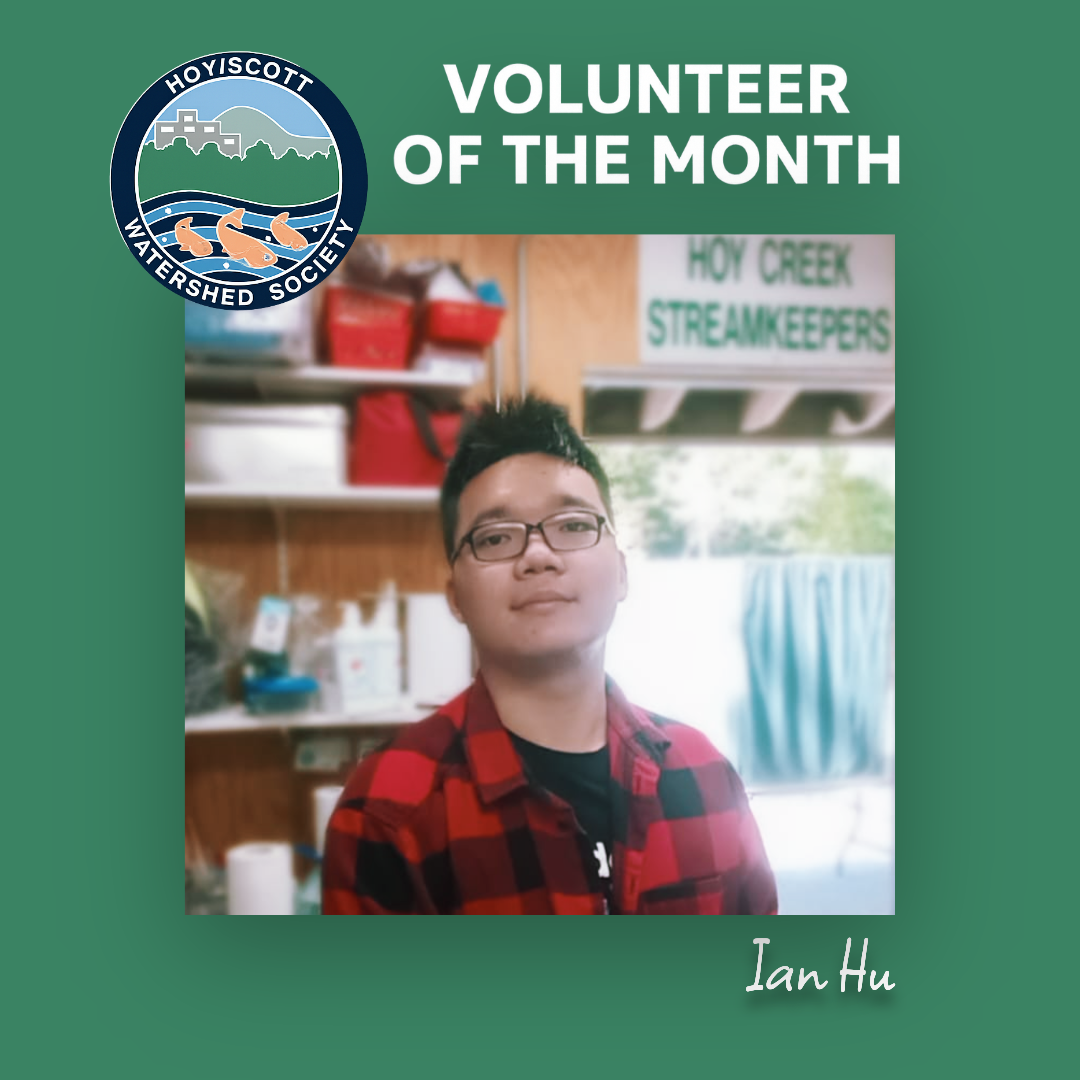
This month, we’re proud to recognize Ian Hu as our Volunteer of the Month.
Getting Started
Ian has been volunteering with us for nearly nine months, bringing energy, consistency, and a strong commitment to environmental stewardship.
When asked what inspired him to get involved, Ian shared:
“I'm interested in helping protect the local environment, especially salmon habitat. Since Hoy Creek and Scott Creek are important to salmon, I wanted to be part of a campaign to help protect them.”
Hands-On Impact
In his time with us, Ian has taken on a wide range of roles, including:
Propagation and planting
Fixing pipes and filters
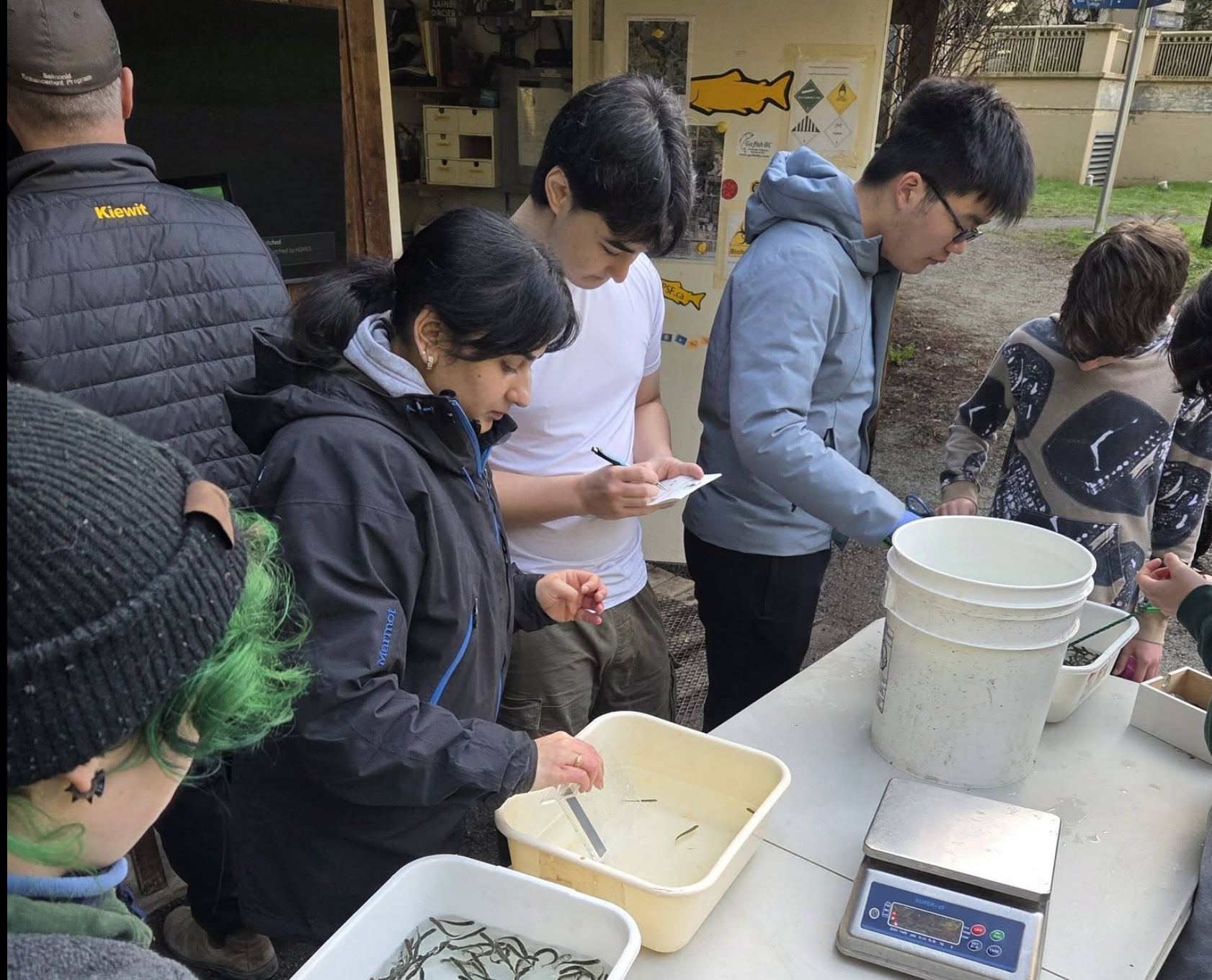
Salmon health checks
Event support and promotion
Cleaning up creek and pond areas
Through this hands-on work, Ian has contributed directly to improving habitat conditions and supporting the health of local salmon populations.
Why It Matters
For Ian, the most rewarding part of volunteering is simple but powerful:
“The most rewarding part is knowing that the work we do helps support salmon and their habitat. It feels rewarding to contribute to something that has a real impact on the ecosystem.”
That sense of purpose is something many of our volunteers share—and it’s what drives meaningful, lasting impact.
A Lasting Impression
One of Ian’s most memorable experiences has been seeing the results of that work over time:
“The most memorable part was seeing the creek improve over time after our work was done. I'm most proud of being consistent and contributing regularly, even when the work is tiring.”
Consistency is at the heart of watershed stewardship, and Ian’s commitment truly stands out.
Learning Through Action
Volunteering has also deepened Ian’s understanding of how delicate and interconnected watershed systems are:
“It helped me understand how sensitive salmon habitat is and how small actions like cleaning ponds and caring for salmon can make a difference. I also learned how everything in the watershed is interconnected.”
Words for Future Volunteers
For anyone thinking about getting involved, Ian offers this advice:
“Give it a try. This is a great way to help protect salmon, learn about the environment, and make a positive impact in your community.”
Thank You, Ian!
Ian’s dedication, consistency, and passion for protecting salmon habitat make him a valued member of our volunteer community. We’re grateful for the time and effort he contributes—and proud to recognize him this month.
If you’re inspired by Ian’s story, we invite you to join us and be part of the work to protect our local waterways.